 Sudtirol Hub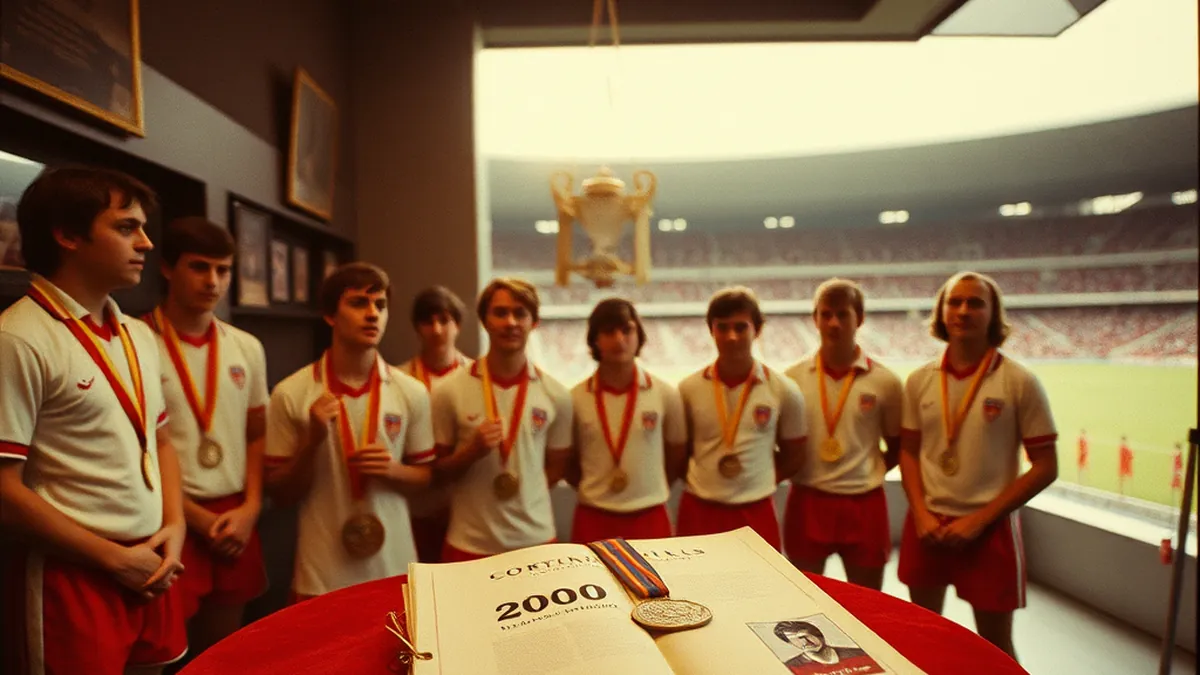
In 2000, Sudtirol experienced a transitional year, marked by growing competitiveness in the Italian football scene. After several years in Serie C, the club began to build a solid reputation and earn respect in professional football. But it was in this year that a fierce rival emerged, one that would profoundly impact the club’s recent history: FC Südtirol.
This new rivalry was more than just a matter of league points; it was rooted in a unique sociocultural context. The two teams, while sharing the territory of the Bolzano province, represent different facets of local football: on one side, Sudtirol with its long tradition and passionate following; on the other, FC Südtirol, a more recent formation that quickly established its own identity.
The first encounters between the two teams were characterized by an atmosphere of great intensity, with fans ready to support their colors fervently. The Druso, Sudtirol’s historic stadium, filled with enthusiastic supporters, creating an electric environment that made every match a must-see event. The rivalry intensified over the years, becoming not just a matter of the league, but a challenge for local prestige and pride.
For the players of Sudtirol, facing FC Südtirol became a highlight of the season. Matches between the two teams became not only an opportunity to gain points but also a chance to demonstrate territorial superiority. Every goal, every tackle, and every save became part of a larger narrative, involving not just the athletes but also the fans, the media, and the community at large.
Years later, the rivalry with FC Südtirol remains a crucial element for Sudtirol. Each encounter is not just a sporting competition but an event that showcases the passion and determination of the biancorossi. The effects of this rivalry can be seen beyond the pitch, contributing to a sense of belonging and identity that characterizes Sudtirol fans.
Ultimately, 2000 was not just the year of the birth of a football rivalry but also a moment of growth and awareness for Sudtirol, which learned to confront both internal and external challenges. This rivalry, which continues to ignite spirits, has become an integral part of the region's football history and culture, uniting fans and creating an unbreakable bond with the club.